Is Schloss Ambras the oldest museum in the world?
Going out to Amras?The castle's own admission is on the platform at the same figure its own shop asks and two euros under the door, it cancels free up to 24 hours before, and under-19s go in free either way.
Check ticket availabilityThe two statements, side by side
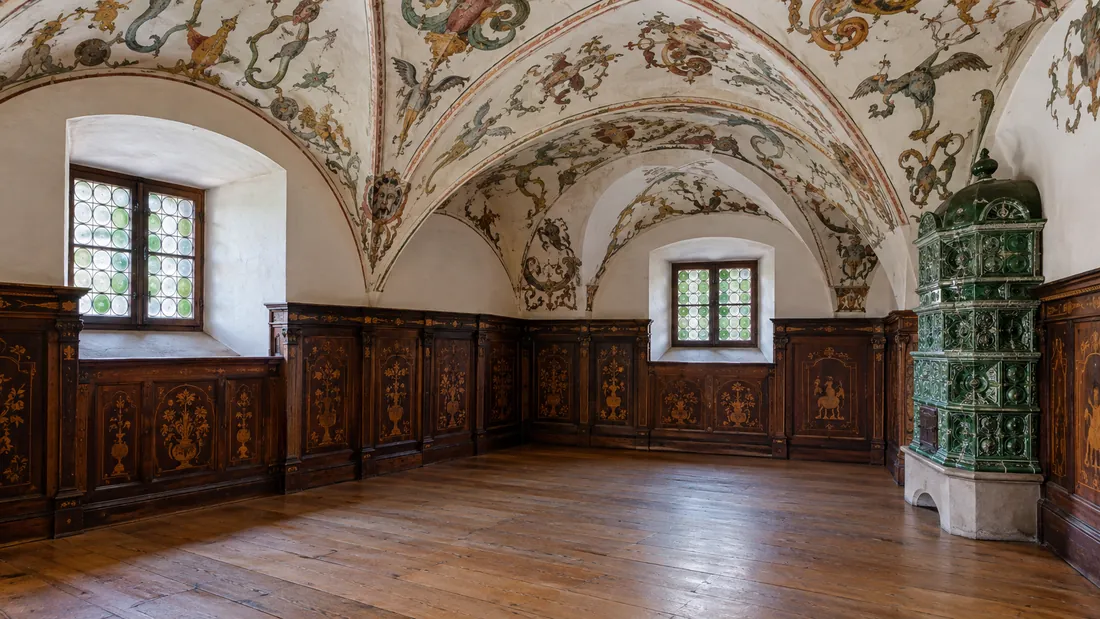
The castle says the oldest museum in the world. Wikipedia’s careful version is that Ambras holds the only Renaissance Kunstkammer preserved at its original location, because the comparable collections at Munich, Prague, Stuttgart, Dresden and Kassel were plundered or broken up. The second statement is narrower, easier to check and does most of the same work: what makes Ambras unusual is not merely the age of the collection but that it is still in the house it was made for. What is in the cabinets.
Why the dates complicate it
The collections that Ferdinand II assembled were moved: Leopold I took manuscripts and books to Vienna, the rest followed in 1805, and the castle itself became a museum in 1880. Anyone arguing about which institution is oldest has to decide whether they are dating the collection, the room or the ticket office, and different answers to that question produce different winners. The chronology in full.
Judge the claim in person
The castle’s own admission covers the Kunst- und Wunderkammer and everything around it, at around sixteen euros, two euros under the price at the door, cancellable free up to 24 hours ahead.
Frequently asked questions
Is Schloss Ambras the oldest museum in the world?
The castle’s own material says so. English Wikipedia makes a narrower claim: the only Renaissance Kunstkammer preserved at its original location. The collection itself.
What is a Kunstkammer?
A princely chamber of art and wonders, in which made and natural objects were collected and arranged together. Ferdinand II assembled this one in the sixteenth century.
Why are the other Renaissance Kunstkammern gone?
They were plundered or broken up. Wikipedia names Munich, Prague, Stuttgart, Dresden and Kassel. Ambras’s own collections went to Vienna, but the rooms stayed.